Dr. Young

Understanding Mole Removal

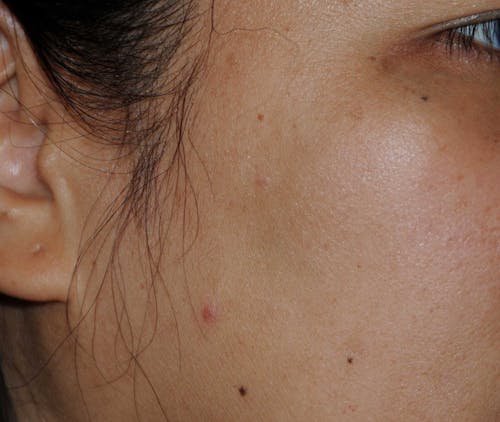
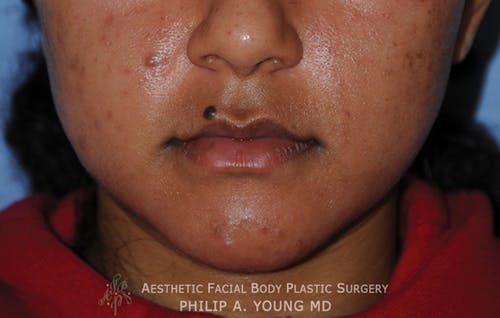
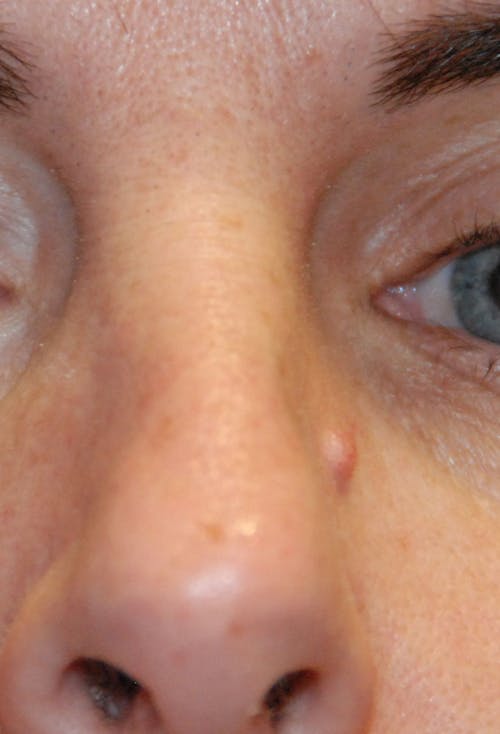
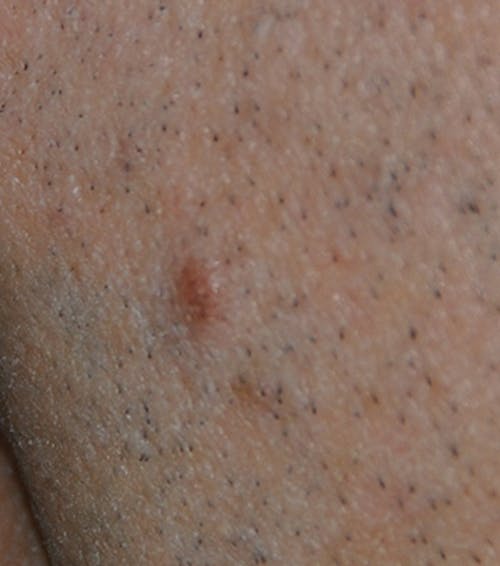
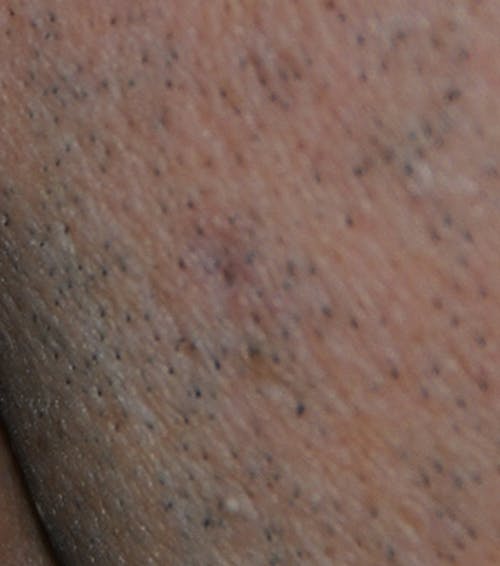
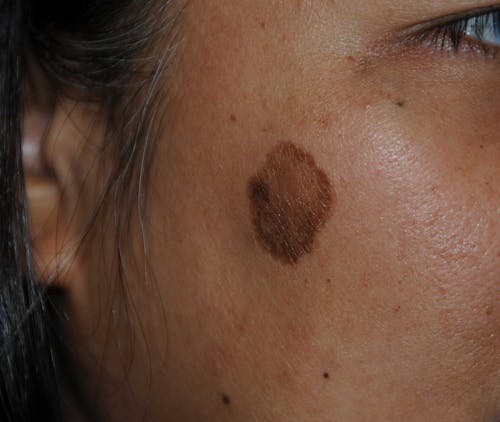
Mole removal or skin lesion can be performed on any part of the body. Depending on their location, moles or skin lesions may go unnoticed, can be a nuisance, or even a dangerous health problem. Many skin cancers, like melanoma, begin in the shape of a mole. It is important to have any mole or skin lesion that changes in size and appearance, bleeds, appears asymmetrical, or is not uniform in color or has ragged edges examined by your doctor for early diagnosis and treatment.

You may also want to have normal moles or skin lesions removed if they rub against clothing or get in the way of shaving. They can also be removed to improve a person’s appearance, leading to smoother and clearer skin and reducing skin irritation.

Dr. Young has over seven years of experience in the treatment of head and neck cancer and oral maxillofacial trauma in a Level I trauma center at Los Angeles County General Hospital and a Level II trauma center in Santa Rosa, California, with extensive experience in skin cancer removal and reconstruction.

Mole Removal Overview

Options for Mole Removal

Here are the main options for mole or skin lesion removal. Excision of moles or skin lesions is the most complete way to remove them. Depending on the size of the mole, it should be removed with a fusiform pattern. The length is usually twice as long as the greatest dimension of the mole. If you don’t do a fusiform pattern, you will get bunching on the sides of the area after the closure. They are called “dog ears” for their obvious look.

Excision removes the skin lesions completely, and recurrence is less likely than with CO2 laser removal. However, the incision, sutures, and the subsequent scar can heal with variable results depending on the success of the surgery and how well the incision is cared for. The amount of tissue that is involved with the removal is significantly larger than that of the CO2 laser. CO2 laser skin lesion and mole removal depend on the height and size of the mole.

The higher the mole is raised, the deeper it goes into the skin, which increases the chance of scarring. CO2 removal leaves an open wound that you will have to care for. The benefit of using the laser is that it does not require sutures or incisions, and the amount of tissue involved does not exceed twice the length of the widest dimension of the mole. It usually involves only the mole and the area right around the mole. However, there is a greater chance of recurrence.

Banner media

Schedule A Consultation

Contact Us

Initial Consultation

During your initial consultation with Dr. Young, you will be advised to stay off blood thinners and stop taking fish oil, vitamin E, herbal medications, supplements, aspirin, and anti-inflammatories for a week or two weeks prior to treatment.

This reduces the risk of bruising. Let Dr. Young know any of the prescriptions, over-the-counter remedies, herbal supplements, and oral or topical products that you take, and whether you may be pregnant.

You will have the opportunity to ask questions and relay any concerns and fears to Dr. Young. You can email, call 425-990-3223, or text 425-341-3893 to set up an appointment. If you live out of town, we can schedule a phone consultation with you.

Banner media
woman touching her face

Size of Mole

How we decide what is best for surgery depends on the size of the mole. If the mole is small, we will likely consider laser removal. The cut off is the mole being bigger than 4mm. At 4mm, we are able to place a deeper stitch and better control the healing and the appearance of the resulting scar. Smaller than 4mm means it gets more difficult to place a deeper stitch, and it is less reliable to control during the excisional process. The recommendation for a mole smaller than 4mm is a laser removal.

Quote media
Accent media
Accent media Accent media

“My goal was to find a method to bring back a person’s natural youthfulness without the operated, unnatural look, and that is why I have my patients bring in photos of themselves when they were ages 5 to 30. My YoungVitalizer helps restore natural and youthful contours they haven’t seen in years.”

— Dr. Philip Young, Seattle Facial Plastic Surgeon

Live Laser Mole Removal. See Dr Young Vaporize a Mole with this Live Demo. Learn About Mole Removal

Video Thumbnail

Procedure

Our goal is to remove your mole with the least scarring possible. In general, there are two ways of removing lesions, including excisional techniques (cutting the tissue out) or CO2 laser.

Other techniques are cold therapy (liquid nitrogen), shave removal, punch biopsies with closure, and electrocautery, but they are considered inferior because of the higher rate of recurrence or more scarring. We prefer cutting moles or skin lesions when they get bigger than 4-5mm (about the size of a pencil eraser). When they are smaller, you can consider excision or CO2 laser removal.

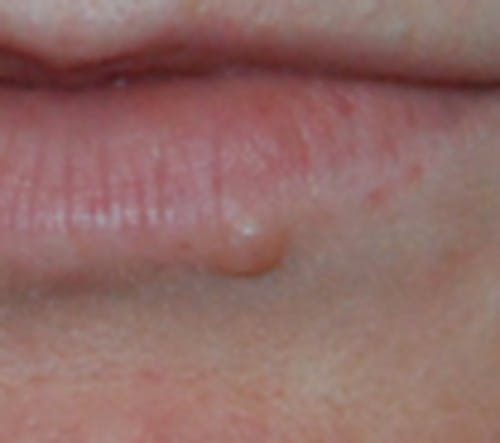
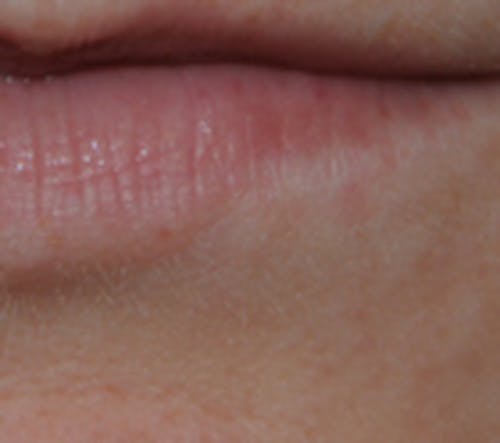
Regarding the lip/mouth/nasolabial fold area, the CO2 laser is used to take down the mole and targets only the area that needs to be treated. The laser can work on just the actual mole and limit the amount of tissue being worked on with little involvement of the normal tissue around the mole. CO2 laser removal is considered better than excision, which is the removal of tissue through cutting.

With excisional techniques, you usually need to take out normal skin when you excise the mole. It requires a crescent/wedge shape design to remove the mole, which is usually twice the length of the mole. You need to do this to avoid dog ears at the end of the incisions when you close the excised area of the mole. Dog ears are excess skin that causes puckering or bumps at the ends of incisions not removed before closing.

Excisions usually have a longer incision. The incision is two to two ½ times longer with an excision. By doing so, you avoid bunching at the end when you try to close the incision, which can form dog ears. These dog ears tend to look like skin lesions. The long incision can look even longer when it is closed in a straight line that looks longer than the diameter of the circle.

Banner media

Recovery

When your mole or skin lesion is removed with a CO2 laser, you just have to remove the mole and not much of the surrounding areas. This is a definite advantage of using a CO2 laser to remove the mole. But the drawback is the longer recovery because the wound is an open sore and raw. Your body has to heal over it and close the area up.

It can take more than a week for recovery because the area is healing from a raw state. Also, scarring is possible with the CO2 laser. With excision, the incision can heal in seven days. There can be a pinkish look for at least a couple of weeks and up to two months. The benefits of excisional techniques include better control of the healing.

Newsletter Signup

This field is required.
Submit Information

This site is protected by reCAPTCHA and the Google Privacy Policy(opens in a new tab) and Terms of Service(opens in a new tab) apply.

Accessibility: If you are vision-impaired or have some other impairment covered by the Americans with Disabilities Act or a similar law, and you wish to discuss potential accommodations related to using this website, please contact our Accessibility Manager at (425) 696-7689.
Contact Us