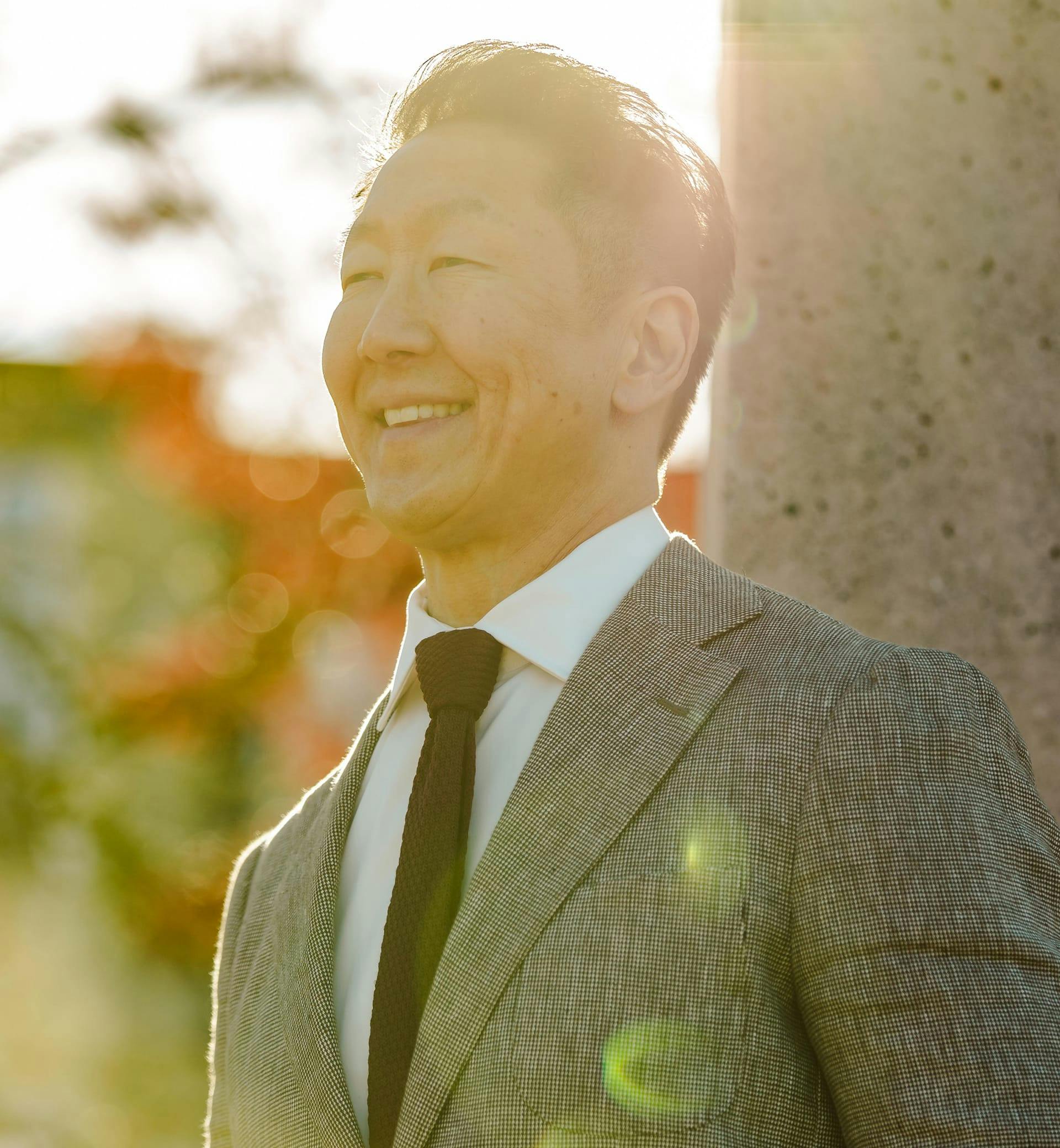
Dr. Young

Restore Volume with a Natural, Integrated Approach

Volume loss is one of the primary drivers of facial aging. As the face loses fullness, contours flatten, transitions become harsher, and features can appear less defined. Facial fat transfer in Bellevue offers a more natural way to restore that lost volume. By using your own tissue, this approach enhances facial contours in a way that integrates seamlessly—softening lines, restoring structure, and maintaining a balanced, undetectable result.

Fat Transfer Overview

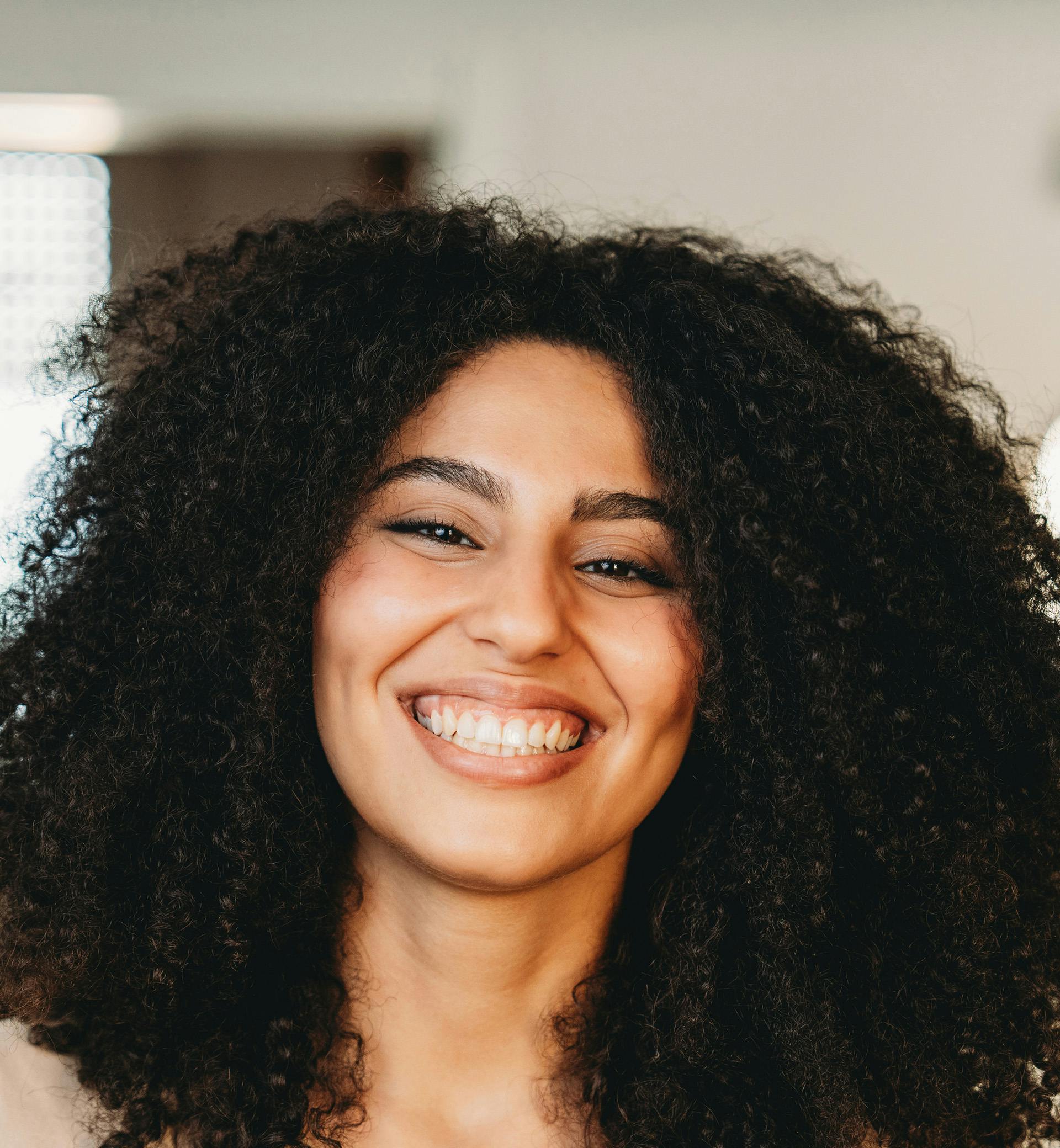
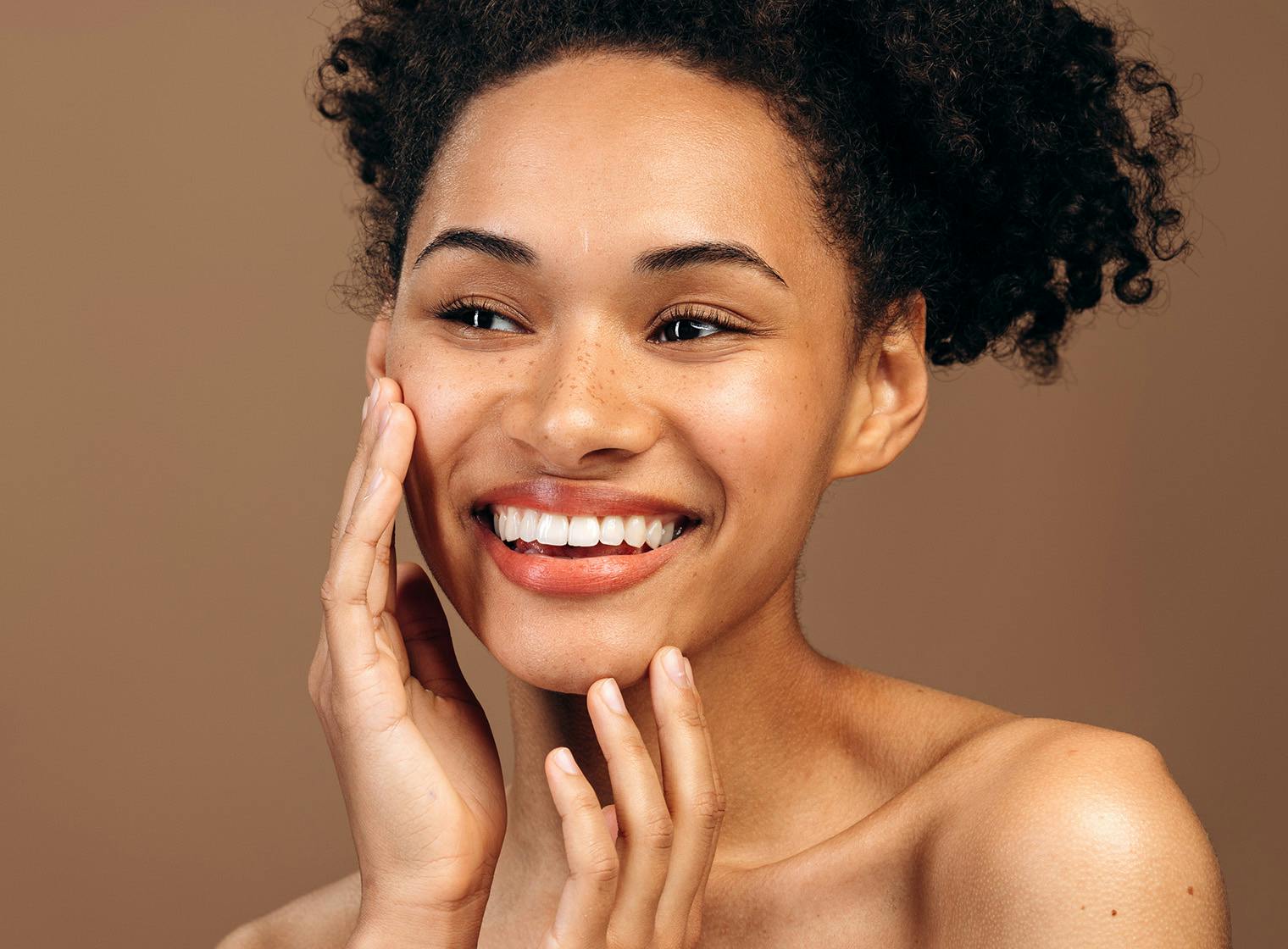
woman smiling

What Is Fat Transfer?

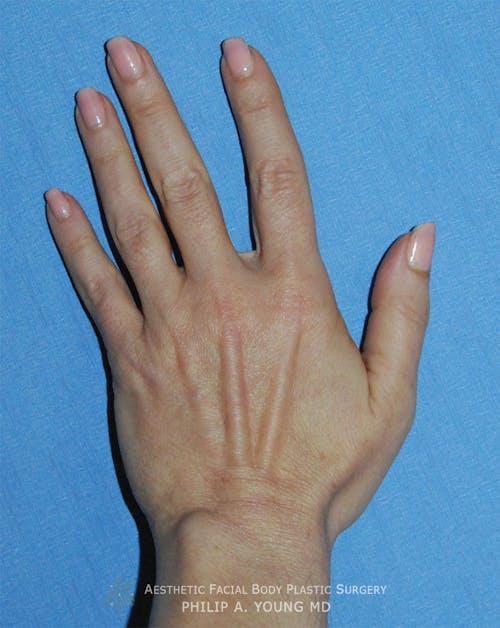
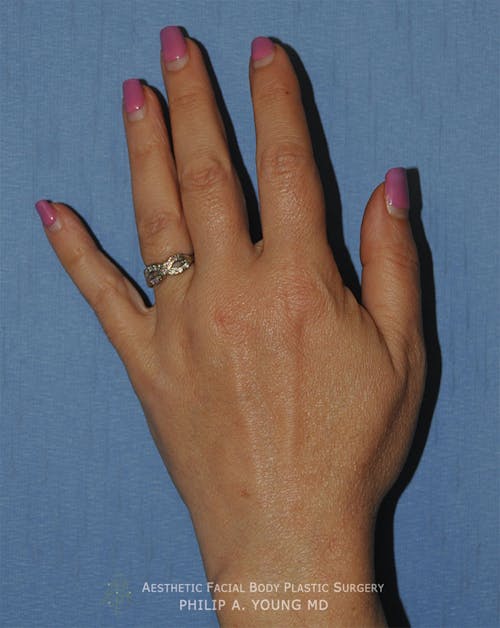
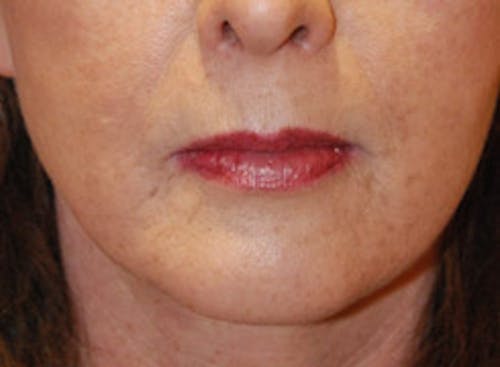
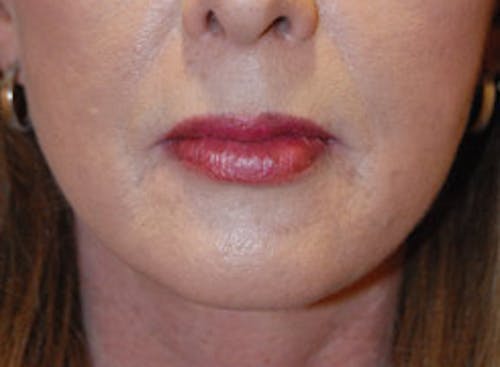
Fat transfer, also known as fat grafting, is a procedure that harvests a small amount of fat from one area of the body—such as the abdomen, thighs, buttocks, or knees—and carefully re-injects it into areas of the face that have lost volume. Common treatment areas include the cheeks, under-eyes, temples, jawline, and around the mouth.

The transferred fat is processed and refined before placement, allowing for precise, controlled enhancement. Because the material comes from your own body, fat transfer offers a more natural alternative to synthetic fillers, with the potential for longer-lasting results. Unlike traditional lifting procedures, fat grafting restores volume in an upward and forward direction — more closely reversing the natural path of facial aging. 
The Benefits of Fat Transfer

  • Natural Volume Restoration: Using your own fat allows for soft, seamless integration with existing tissue.
  • Long-Lasting Results: Transferred fat that successfully integrates can provide durable, ongoing improvement.
  • Improved Facial Contours: Volume can be strategically placed to enhance structure and smooth transitions.
  • Reduced Risk of Reaction: Because the material is autologous, there is minimal risk of allergic response.
  • Versatile Application: Multiple areas of the face can be treated in a single procedure for comprehensive refinement.
  • Skin Quality Improvement: Fat contains stem cells that stimulate collagen production, improving skin texture beyond just volume restoration.
Banner media

Testimonials Reviews for Seattle Bellevue's Award Winning Facial Plastic Surgeon Dr Philip Young

Video Thumbnail

Schedule A Consultation

Contact Us

Am I a Candidate for Fat Transfer? 

Fat transfer is well-suited for patients experiencing volume loss in areas such as the cheeks, under-eyes, lips, or temples, or for those seeking a more natural alternative to dermal fillers. Candidates should have sufficient donor fat available and be in good overall health.

This procedure is often chosen by patients who prefer a longer-lasting solution and are comfortable with a slightly more involved process compared to injectable fillers. Some patients pursue fat transfer as a standalone treatment, while others incorporate it into broader facial rejuvenation plans for a more complete balance.

A chair

The Fat Transfer Process What to Expect

Private Consultation

We evaluate your facial structure, volume distribution, and donor areas to determine the best approach.

Personalized Treatment Plan

A detailed plan is created to restore volume in a way that enhances balance and proportion.

Procedure Day

Fat is gently harvested, processed, and carefully injected into targeted areas under local anesthesia with or without sedation.

Initial Healing Phase

Mild swelling and bruising are expected in both the donor and treatment areas, with gradual improvement over time.

Background media

Results and Recovery

Following fat transfer, patients can expect some swelling and bruising, which typically improve over the first one to two weeks. Many feel comfortable returning to normal activities within this timeframe.

Not all transferred fat will survive, as the body naturally reabsorbs a portion. However, the fat that remains becomes integrated into the surrounding tissue, providing long-term volume restoration.

As healing progresses, results become more refined, with smoother contours and improved facial balance. The outcome is designed to feel natural, enhancing structure without appearing overfilled or artificial.

Why Choose Aesthetic Facial Plastic Surgery?

Fat transfer requires precision — not just in placement, but in understanding how volume shapes the face. Dr. Young is a double board-certified facial plastic surgeon and recipient of the Sir Harold Delf Gillies Award for his research on facial beauty.

  • Guided by Facial Proportion: Volume is added strategically to restore balance, not simply to fill space.
  • Emphasis on Natural Integration: Techniques focus on achieving soft, seamless transitions between facial features.
  • Experience with Advanced Fat Grafting: Careful harvesting, processing, and placement techniques support consistent outcomes.
  • Personalized, High-Touch Care: Each treatment is tailored to your anatomy, goals, and long-term aesthetic plan.
Doctor media

Newsletter Signup

This field is required.
Submit Information

This site is protected by reCAPTCHA and the Google Privacy Policy(opens in a new tab) and Terms of Service(opens in a new tab) apply.

Frequently Asked Questions Fat Transfer

How much does fat transfer cost?

The cost depends on the areas treated and the complexity of the procedure, which will be discussed during your consultation.

How long do results last?

Results can be long-lasting, as the surviving fat becomes part of your natural tissue.

Is fat transfer better than fillers?

It depends on your goals; fat transfer offers longer-lasting results, while fillers are less invasive and temporary.

How long is the recovery?

Most patients return to normal activities within one to two weeks, with continued improvement over time.

Is the procedure painful?

Discomfort is typically mild to moderate and manageable with medication.

Will all the fat survive?

A portion of the fat is naturally reabsorbed, but the remaining fat provides lasting volume.

Can this be combined with other procedures?

Yes, fat transfer is often combined with facelifts, eyelid surgery, or other treatments.

Are there risks?

As with any procedure, there are risks, which will be discussed in detail during your consultation.

Accessibility: If you are vision-impaired or have some other impairment covered by the Americans with Disabilities Act or a similar law, and you wish to discuss potential accommodations related to using this website, please contact our Accessibility Manager at (425) 696-7689.
Contact Us