Dr. Young

Facial Fillers and Their Impact

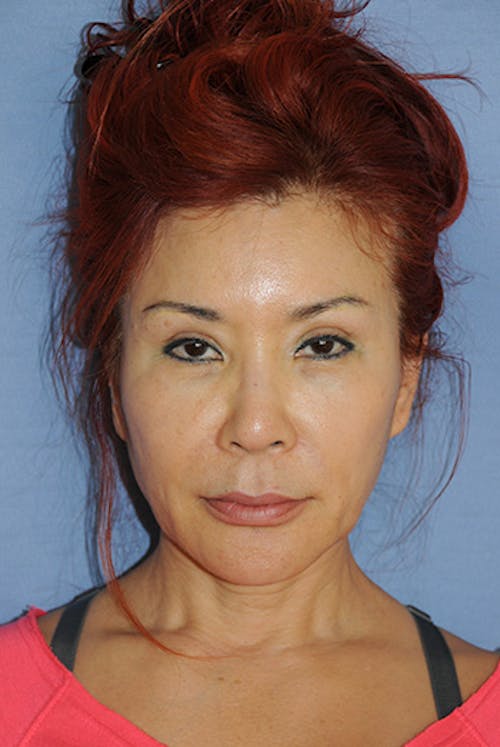
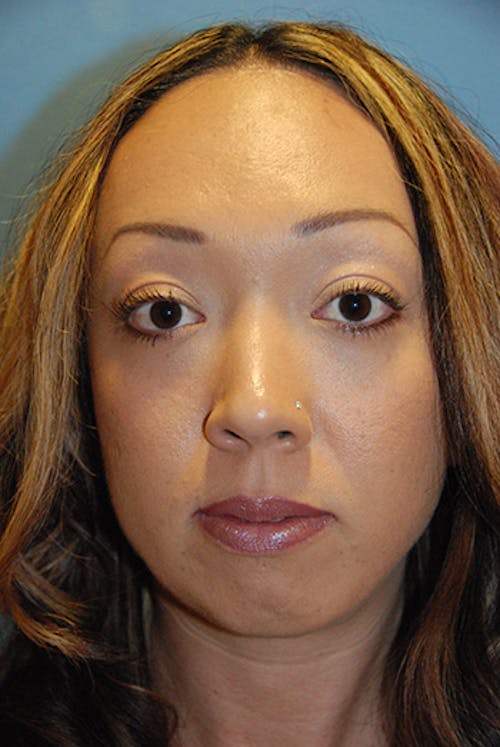
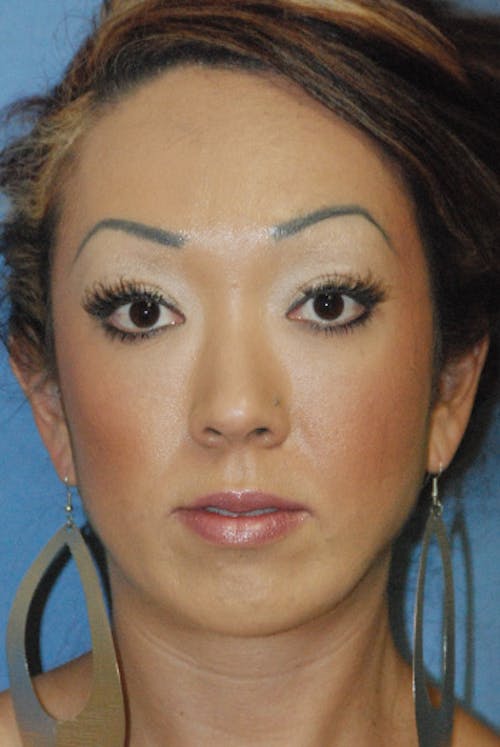
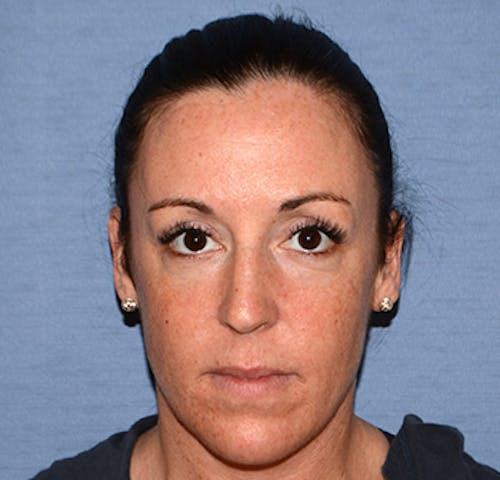
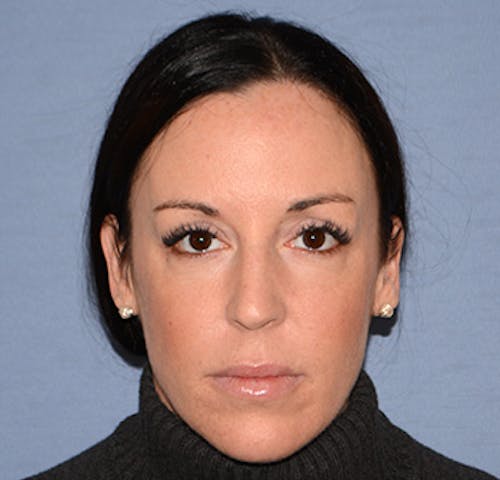
Can someone look better with just a couple syringes of filler like Restylane, Juvéderm, Radiesse, or Belotero? Yes, definitely! The key to good results is deciding where the fillers will be placed. For Dr. Philip Young, getting the best results is of the utmost importance. He has spent the last 12 years studying beauty. Our team uses the specialized knowledge from this award-winning theory on beauty to achieve great results.

Facial Fillers Overview

Dr. Young and patient

What Facial Fillers Can Do

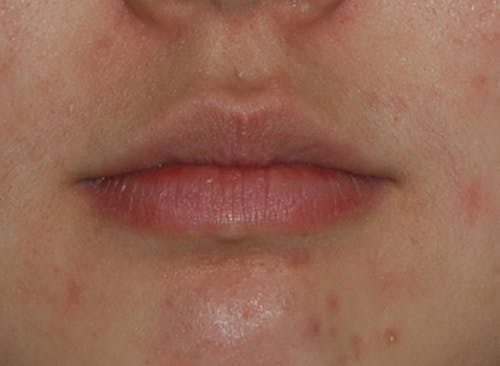
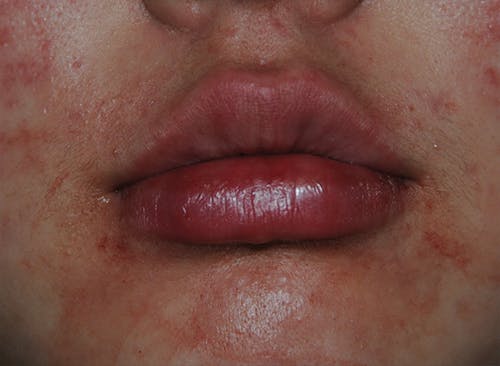
If you would like to restore facial contours, plump thin lips, fill in under-eye hollows, or reduce the appearance of lines and wrinkles, consider injectable facial fillers. Injectable fillers like Radiesse and Juvéderm provide up to 18 months of correction (depending on the type of filler and where used) and can give appealing results for patients with early to moderate signs of aging. Fillers can be ideal for patients who are not quite ready for a more significant procedure. Facial fillers are less invasive and can be done in the office. The recovery is much faster compared to more invasive methods. Also, with Juvéderm, you have the ability to take some or all of the filler out through the use of hyaluronidase if you are not completely satisfied with the results. You can also add more to enhance your results.


Dr. Young’s Approach to Natural Results

Regarding facial fillers, have you ever been curious why Hollywood stars end up with less-than-ideal results after a cosmetic procedure? Dr. Young wondered the same thing while going through his training and education. He started on a journey to find the answers, resulting in his award-winning theory on facial beauty. Coined “The Circles of Prominence,” it gives Dr. Young and our team an incredible advantage in getting the best and most natural results available to you. With facial fillers and Dr. Young’s theory, you can look and feel better with a quick half-hour procedure that has a very short downtime.

Banner media

Schedule A Consultation

Contact Us
Quote media
Accent media
Accent media Accent media

“My goal was to find a method to bring back a person’s natural youthfulness without the operated, unnatural look, and that is why I have my patients bring in photos of themselves when they were ages 5 to 30. My YoungVitalizer helps restore natural and youthful contours they haven’t seen in years.”

— Dr. Philip Young, Seattle Facial Plastic Surgeon

Consultation

During your initial consultation with Dr. Young, you will be advised to stay off blood thinners and stop taking fish oil, vitamin E, herbal medications, supplements, aspirin, and anti-inflammatories for a week or two weeks prior to treatment. This reduces the risk of bruising. You will have the opportunity to ask questions and relay any concerns and fears to Dr. Young. Let Dr. Young know any of the prescriptions, over-the-counter remedies, herbal supplements, and oral or topical products that you take, and whether you may be pregnant. 

It is important to stay off blood thinners and medications two weeks prior to your procedure. You will have the opportunity to ask questions and relay any concerns and fears to Dr. Young. You can email, call 425-990-3223, or text 425-341-3893 to set up an appointment. If you live out of town, we can schedule a phone consultation with you. Here at AFPS, our staff will take the time and care to set you up with a great treatment plan. Treat yourself today to a more beautiful, rejuvenated look!

Comfort & Anesthesia Options

There are many ways to administer fillers, and the right choice depends on your comfort level and treatment plan.

  • No Anesthesia: Fillers can be performed without anesthesia, although this is an uncomfortable option and is rarely chosen. Some patients who are allergic to lidocaine may use this approach out of necessity.
  • Topical Anesthesia: Topical anesthesia is a common choice. It helps numb the needle injections, although you may still feel some discomfort. As the filler’s built-in anesthetic begins to take effect, subsequent injections become more comfortable. If you prefer minimal discomfort, regional blocks may be a better option.
  • Local Anesthesia (Injected): Locally injected anesthesia is less commonly used. It can distort the treatment area, making it more difficult to precisely place filler, which may affect results. It may be used in small amounts in combination with other techniques.
  • Regional Nerve Blocks: Regional anesthesia is one of the most popular options. By targeting nerves such as the infraorbital and mental nerves, the area can become completely numb, making the procedure very comfortable. Some patients do not prefer the sensation of full numbness or the temporary inability to move or speak normally. There is also a small chance of reactions to epinephrine, such as a racing heart or increased blood pressure. Despite this, many patients prefer this option for its comfort.
  • Sedation (IV or General): Sedation may be used when fillers are performed alongside more extensive procedures. It is rarely used for fillers alone, as it typically exceeds what is necessary for this type of treatment.
  • Ice or Cooling Methods: Ice can be used to numb the area prior to injections, although it is less effective than other options and is not commonly used alone.
    A cooling spray (such as a Zimmer device) is another option, though it is less frequently chosen compared to other methods.
  • Combination Techniques: In many cases, a combination of techniques is used. For example, ice and topical anesthesia may be used initially, followed by the natural anesthetic in the filler itself.
    Regional blocks may numb larger areas, while topical or local anesthesia can be used to address areas not fully covered.
  • Choosing the Right Option for You: Talk with Dr. Young about which option is best for you. In most cases, we prefer topical anesthesia or regional nerve blocks, often in combination with small amounts of local anesthesia for optimal comfort and precision. Many modern fillers (such as Restylane®, Perlane®, and Juvéderm®) already contain local anesthetic, while others (like Radiesse®) can have it added.
  • First-Time Filler Considerations: If you are new to fillers, we typically recommend starting with products like Restylane® or Juvéderm®. These are temporary and allow flexibility, including the option to dissolve the filler if needed, using an enzyme called hyaluronidase.


Banner media

5 Min Intro On Filler Injections In The Lips, Nasolabial Folds, Cheeks, Upper Lower Eyelids, & Face

Video Thumbnail

Newsletter Signup

This field is required.
Submit Information

This site is protected by reCAPTCHA and the Google Privacy Policy(opens in a new tab) and Terms of Service(opens in a new tab) apply.

Frequently Asked Questions Facial Fillers

What Are the Ingredients in the Fillers and Are They Safe?

Restylane is a gel made of hyaluronic acid generated by streptococcus species of bacteria, chemically crosslinked with BDDE, stabilized and suspended in phosphate-buffered saline at pH=7 and concentration of 20 mg/mL with 0.3% lidocaine. All of these products are broken down into harmless byproducts that are identical to substances already found in the skin. Apparently, BDDE (1, 4-butanediol diglycidyl ether) is the most commonly used cross-linking agent. Juvéderm also uses this agent.

How Long Do the Fillers Last?

The longevity of the fillers depends on the product that is being injected. Restylane, Juvéderm, and Belotero are made of hyaluronic acid. This is a complex sugar that attracts water and is broken down into natural substances in your skin. They can last anywhere from six months to over a year. Some studies show that hyaluronic acid dermal fillers can lead to collagen production. In Dr. Young’s experience, some dermal fillers can last for years. Radiesse is made up of calcium hydroxyapatite, the same element as in our bones. Studies with Radiesse indicate that it can remain in the body for up to five years. Consider that calcium hydroxyapatite is only about 30% of the filler, while the rest, carrier molecules, get absorbed. However, that 30% has been shown to last for years. Most of the practitioners say the results from Radiesse will last a year.

What Is the Recovery Time With Fillers?

The recovery should be only a couple of days unless you have a tendency to bruise more than normal. Procedures around the eyes tend to have a longer recovery because they are more noticeable, being the part people look at the most. However, the recovery is much shorter than a surgery.

What Are the Options for Fillers?

There are many options for correcting and improving bags under the eyes. Aging under the eyes loses a lot of volume, so filling in the hollow area can dramatically improve your appearance. Fillers are one of the top choices because of their fast recovery and minimally invasive nature. There is no need for systemic anesthesia, and it can be done faster than surgical procedures. Fillers can last up to a year and have been known to last longer in our experience. There are other options available to you, including fat injections, the YoungVitalizer, facial implants, lower eyelid blepharoplasty, and an eyelift. They are all directed at filling in the junction between the eyelid and cheek fat, specifically at the hollows. The eyelift entails removing fat, skin, and muscle. Variations on how to do the eyelift can address different things that patients want improved. Fillers are also a common choice to augment and shape the lips. Dr. Young uses his theory on beauty to get the best results. He has discovered more things about the beauty in the lips and how augmenting the lips can drastically enhance your look. The lips are at the opening of the mouth and are associated with yelling, eating, and other primitive behaviors. Augmenting the lips can also enhance your sexuality.

How Can I Add Volume?

Face and dermal fillers are a great way to add volume to your face in a minimally invasive fashion. You don’t have to undergo a major procedure to receive the benefits, and the downtime is less than that of a traditional procedure. Fillers are based on adding volume to your face, which is consistent with the current trend in facial rejuvenation. One drawback of fillers is their temporary nature, lasting six to 12 months. You won’t get long-lasting results: Restylane and Perlane can last up to a year, Juvéderm a little longer, and Radiesse over a year. On rare occasions, scarring can form around the filler, leading to longer-lasting effects. The filler is protected from the body and avoids degradation. Volumizing is an important part of facial rejuvenation because, as we age, we change from a grape to a raisin. What it means is having less skin and more sagging in the face. Without adding volume, you would look more like a smaller raisin and less like a youthful grape. Fillers are a great option to add volume to your face in a less invasive way.

Are You a Good Candidate for Fillers?

Are you a good candidate for fillers? Anybody can benefit from fillers, especially anyone over the age of 30. It depends a great deal on the person’s particular anatomy. Nasolabial folds, marionette lines, lines around your mouth, lower eyelid dark circles, sagging upper eyelid skin, glabellar lines (lines between the eyes), sunken cheeks, and volume loss in the temple area can all benefit from temporary dermal fillers.

Accessibility: If you are vision-impaired or have some other impairment covered by the Americans with Disabilities Act or a similar law, and you wish to discuss potential accommodations related to using this website, please contact our Accessibility Manager at (425) 696-7689.
Contact Us