Dr. Young

Revitalize Your Eyes

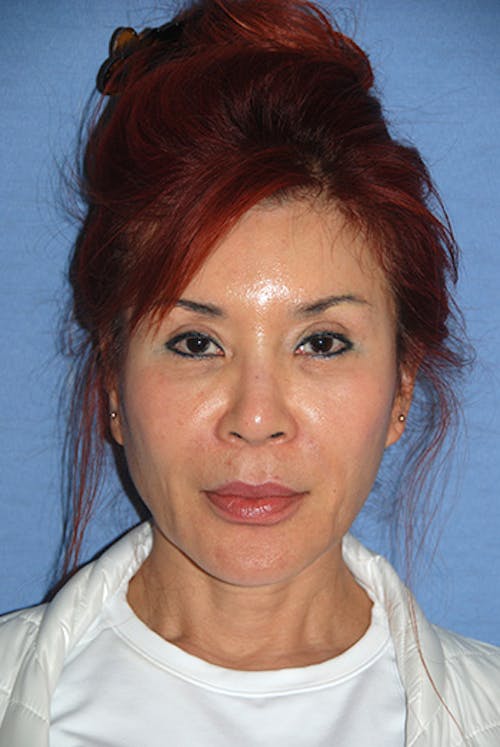
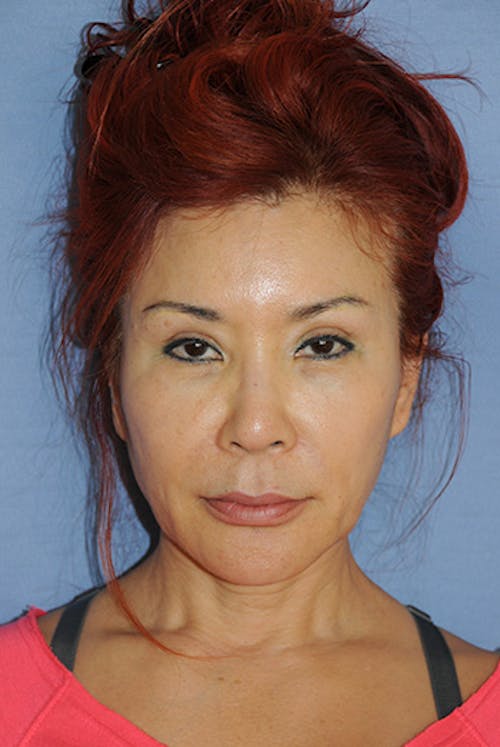
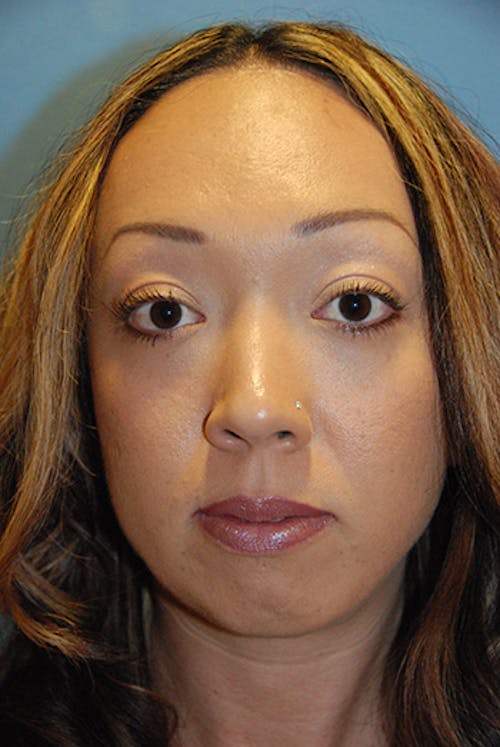
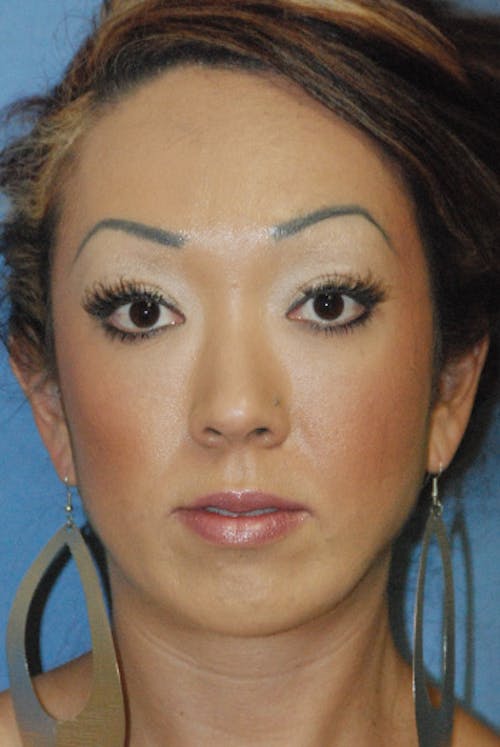
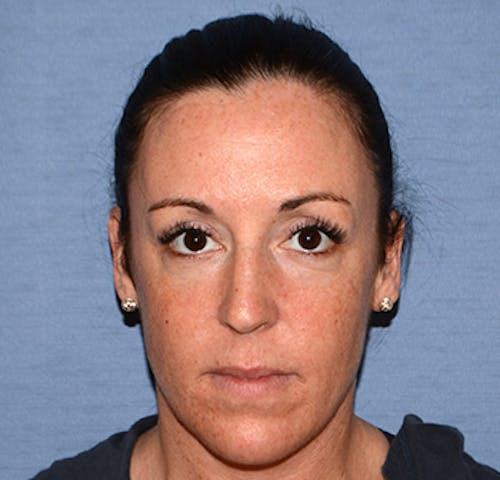
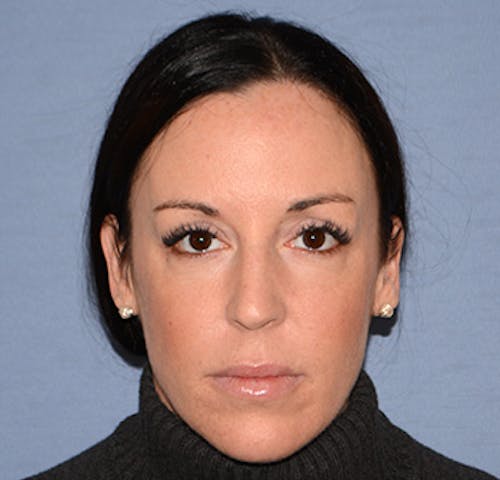
Dr. Philip Young is a Restylane under-eye specialist with more than 12 years of experience. Restylane under the eyes is a common topic brought up by patients and surgeons alike. The eyes are the most noticeable area of the face. They get the most attention from other people when you are in a conversation with them.

There is a logarithmic decrease in the importance of other objects as you move further away from the eyes. Under-eye hollow can occur before any other age-related changes, as early as the late teens and early twenties.

If you get a Restylane surgery, avoid blood thinners two weeks before and after your filler procedure.

Women holding her shoulder

Options for Under-Eye Procedure

What are your options for under-eye area procedures? The least invasive are fillers such as Restylane, Juvéderm, Perlane, and Radiesse. You can also consider conservative skin care, which is less invasive than fillers but gives you only subtle improvements. Fat injections are more of a long-term option for filling in the hollows under the eyes. Facial implants on the orbital bone under the eye are more of an aggressive approach, but can last the longest time. YoungVitalizer is another volumizing approach to fill in the under-eye hollows for long-term improvement. Finally, there is a lower eyelid lift procedure that can be combined with or without laser resurfacing in the lower eyelid to tighten up the skin.

Types of Treatment

How does each type of treatment improve the under-eye hollows and age-related changes? It depends on how people age in the under-eye area. The aging process creates a change in volume and loosens certain ligaments around the eye.

Volume changes play a huge role. As you age, you lose bony, fat, and connective tissue such as collagen and elastin. It happens under the eyes and results in a double contour deformity. The orbital fat in the lower eyelid appears to be protruding, and the cheek seems to be drooping. This is compounded and may be due to tissue lost between the eyelid fat and the droopy cheek. In the past, the solution was to remove the orbital fat in the lower eyelid. It decreased the superior bulging contour in the lower eyelid. This was a method that allowed the lower eyelid area to be more level with the orbital rim and created a more gradual transition to the lower cheek.

Although the results were decent, there were a lot of complications with this procedure: eyelids that were pulled down, a hollow look, an operated look, and an older and less natural appearance. This approach with the lower eyelift has been considered less than ideal, even if it works in certain situations. But the lower eyelid lift is not the ideal procedure for lower eyelid bags and hollows, and does not really reverse what occurred during the aging process. Fillers and volumizing options have taken a bigger role in the aging of the lower eyelid area.

Collagen was the main filler for a long time, but it lacks longevity and requires a skin allergy test. Restylane and hyaluronic fillers have been shown to provide better and longer results. The results for Restylane are good for six months to a year, longer than the one to three months range for collagen. The longevity of Restylane has caused an explosion in the use of fillers. Other hyaluronic acid fillers like Juvéderm and Perlane have become more popular. Juvéderm can last up to a year. Perlane has been touted to last a little longer than Restylane. In general, they all last around six months to a year.

Juvéderm, Restylane, and Perlane are all hyaluronic acids, complex sugar and protein molecules that resemble a wire brush. Each of the “wires” attracts a lot of water. When the molecules are injected into the tissues, volume is created in the tissues. We have the same hyaluronic acid as bacteria, meaning the sugar and protein are almost unchanged from bacteria to us. This is how the hyaluronic acids are created. Bacteria make the product that is processed by the manufacturers into a very safe product.

Banner media

Schedule A Consultation

Contact Us

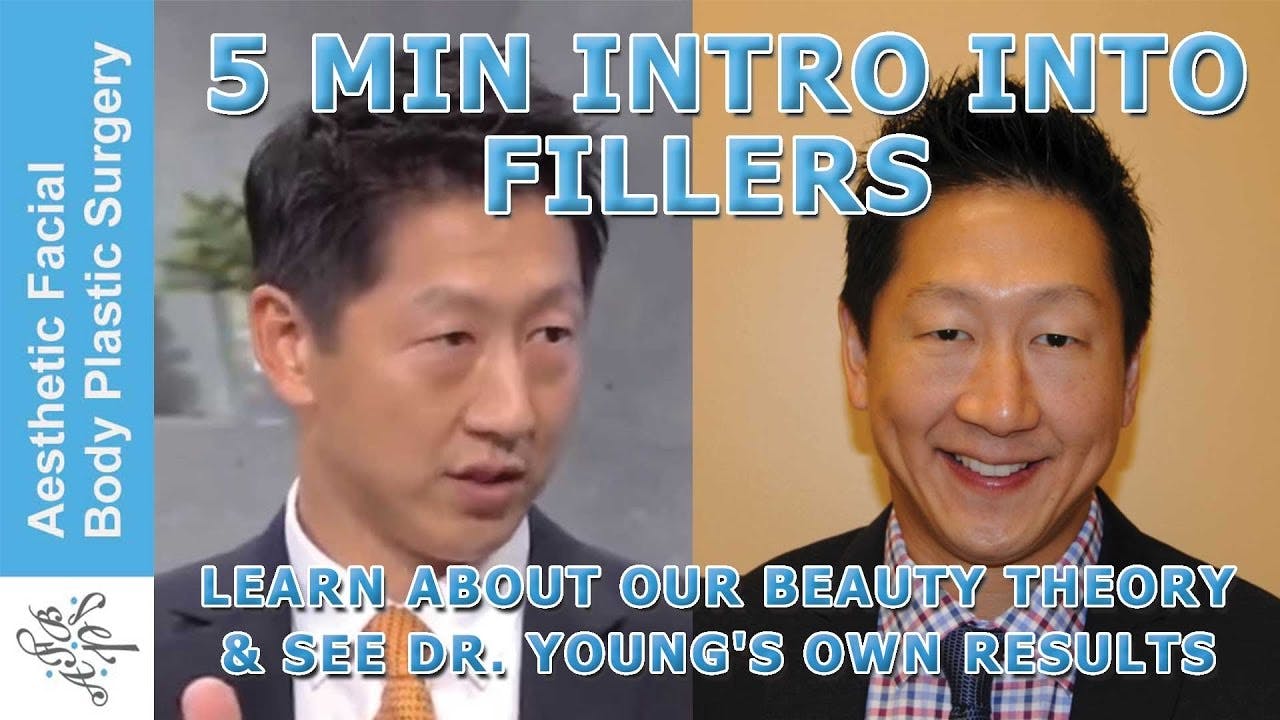
5 Min Intro On Filler Injections In The Lips, Nasolavial Folds, Cheeks, Upper Lower Eyelids, & Face

Video Thumbnail
Quote media
Accent media
Accent media Accent media

“My goal was to find a method to bring back a person’s natural youthfulness without the operated, unnatural look, and that is why I have my patients bring in photos of themselves when they were ages 5 to 30. My YoungVitalizer helps restore natural and youthful contours they haven’t seen in years.”

— Dr. Philip Young, Seattle Facial Plastic Surgeon

Radiesse Treatment

Radiesse is a popular filler made up of calcium hydroxyapatite, the same building block as bone. This product has been shown to last around a year, although some studies show it can be present for over five years. Since Radiesse is found in our bones, it is highly compatible with our tissues. Radiesse should not be injected too close to the eyes. The thin skin makes it easier to see Radiesse because of its white color, and it can stand out against the color of your skin. Hyaluronic acids are clear and not visible.

Why not just inject Radiesse if it can be found in our tissues five years later? Unfortunately, you can’t inject straight bone (calcium hydroxyapatite). You need a carrier substance, something watery and slippery to allow the bony product to be injected. This substance gets absorbed and reduces your results over time. You might still have calcium hydroxyapatite in your body, but it may be a smaller volume than what was originally injected.

Other Improvements for Under the Eyes

More recently, the plastic surgery industry has found that hyaluronic acids injected into the lower eyelid hollows last longer than originally expected. This impact has been felt in other areas of the face. Some practitioners have experienced some amazing results that have lasted for more than two years in the under-eye area. This is great news for people with lower eyelid hollows and bags. There have been other improvements centered on fillers in the under-eye area. Some doctors are using larger cannulas to avoid bruising, and employ this technique the same way as a fat injection in the face has been done in the past. Some surgeons use smaller needles (smaller than 28-gauge needles) to treat the more superficial areas and avoid small lumps. Botox weakens the muscles to prevent Restylane from metabolizing, to promote a longer-lasting effect from fillers.

The use of Botox two weeks before Restylane has been known to extend the longevity of the filler. Avoiding regional anesthesia has been another way to avoid the additional bruising and swelling that lidocaine can cause when it is injected into the inferior orbital nerve. It can cause a nerve block to a region that is innervated by the inferior orbital nerve. The biggest alternative is using topical in its stead. More clinicians are using larger volumes in the lower eyelid area and the surrounding cheek area. For longer-lasting results, consider the use of the YoungVitalizer or fat injections under the eye. The results from these procedures can take many years, as much as 12 years. You will likely look better with a YoungVitalizer, fat injection, or filler like Restylane. We want the best for you. Dr. Young always maintains an open-door policy to help people. You are always welcome to email or call our office anytime for help.

Banner media

Procedure for Restylane

Restylane is a very common procedure for the under-eye hollows and bags. It can be done in the office under different types of anesthesia, including local and regional anesthesia. The injections are placed under the eye to volumize that area and break up the double contour deformity. It fills in the hollows under the lower eyelid bag, making the bag not as prominent. The filling improves the transition from the lower eyelid bag to the cheek.

Woman's face in a mirror
Accessibility: If you are vision-impaired or have some other impairment covered by the Americans with Disabilities Act or a similar law, and you wish to discuss potential accommodations related to using this website, please contact our Accessibility Manager at (425) 696-7689.
Contact Us