Dr. Young

Understanding Facelift Swelling

Facelift swelling is one of the most common concerns after surgery. In general, we tell patients to expect about 60% healing at 6 weeks and 80–90% healing at 6 months. While this may seem like a long process, most visible healing occurs within the first week and first month.

Steroids: Oral vs. Injection

Steroids can be helpful in reducing swelling, particularly within the first month of recovery.

Oral Steroids

These are best for generalized swelling across a larger area of the face and neck. Medications such as a Medrol Dose Pack are commonly used for a short duration (typically 1–2 weeks).

  • Help reduce widespread swelling
  • Should not be used if infection is present
  • Long-term use can suppress the immune system

Steroid Injections

These are used for more localized swelling. Kenalog injections are commonly used.

  • More targeted and often faster-acting
  • Lower risk of systemic side effects
  • Potential risks include skin thinning, visible depressions, or small blood vessel formation

We generally take a conservative approach to minimize these risks.

Background media

Taping Techniques for Swelling

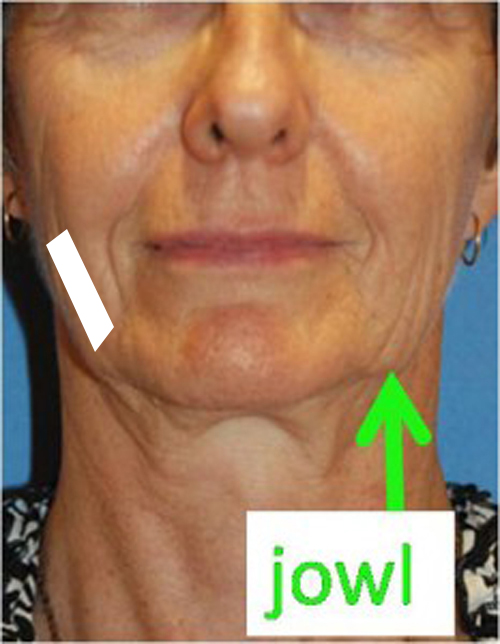
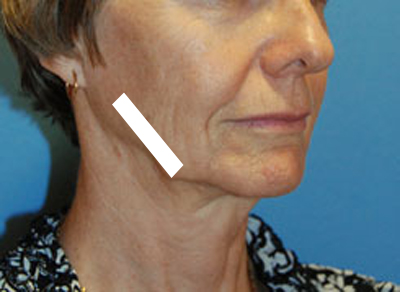
Taping may seem simple, but it can be very effective in managing swelling—especially during the first 3 weeks of healing. The technique involves:

  • Gently pulling the tissue upward toward the ear
  • Applying light tension to flatten and support the area
  • Placing one end of the tape over the most elevated area of swelling

Taping helps maintain improvements after swelling has been reduced and can prevent fluid from re-accumulating. We typically recommend leaving the tape in place for up to a week.

example of taping

after image

Schedule A Consultation

Contact Us
Contact us media

Compression & Pressure Dressings

Applying gentle pressure is another effective way to reduce swelling. We recommend:

  • Wrapping the ace bandage lightly around the face and neck
  • Using gauze and a 4-inch ace bandage
  • Placing gauze directly over swollen areas

The key is gentle pressure—not tight compression. Avoid wrapping too tightly, as this can restrict blood flow (blanching). If the skin turns white and does not quickly return to pink, the wrap is too tight and should be loosened immediately.

When Swelling May Indicate Fluid Buildup

In some cases, early swelling and bruising may indicate fluid accumulation, such as a hematoma (a collection of blood under the skin).

Signs may include:

  • Increased swelling early after surgery
  • Tightness in the skin
  • Bruising, sometimes resembling a black eye

Treatment may include:

  • Aspiration or controlled drainage
  • Close follow-up to monitor recurrence
  • Temporary drain placement if needed

In rare cases, the area may need to be reopened to identify and control the source of bleeding. After treatment, compression and taping techniques can help prevent recurrence.

Ongoing Swelling Management

If swelling persists beyond 1–2 weeks, additional treatments such as oral or injectable steroids may be considered. While complications like significant fluid accumulation are uncommon, it’s important to monitor your healing and contact us if anything feels unusual—especially increased tightness, rapid swelling, or continued drainage.

Banner media
Accessibility: If you are vision-impaired or have some other impairment covered by the Americans with Disabilities Act or a similar law, and you wish to discuss potential accommodations related to using this website, please contact our Accessibility Manager at (425) 696-7689.
Contact Us