Dr. Young

Our Newsletter

Our newsletters offer a curated collection of meaningful stories, clinical insights, and reflections that go beyond traditional aesthetic care. Written by Dr. Philip Young, they explore the connection between facial plastic surgery, personal transformation, and the broader human experience. As a patient, you’ll receive access to a wider range of these newsletters. Below is a selection of featured topics and past editions that represent the depth and variety of what we share.

Featured Stories & Insights

  • Protecting You and Your Loved Ones: Insights from Dr. Young’s research
  • A Reminder to Be Impeccable with Your Words
  • Acne Scarring, Post-Traumatic Stress, and the Developing Brain
  • Hosting a Vietnamese Doctor: The Law of Giving in Action
  • Story of Hope: A patient's journey through Myasthenia Gravis and ovarian cancer
Banner media

Newsletter Archive

2016 Editions

  • February 2016
  • March 2016
  • March 2016 (Edition 2)
  • April 2016
  • August 2016

2015 Editions

  • July 2015 (Edition 1)
  • July 2015 (Edition 2)
  • August 2015
  • September 2015
  • September 2015 (Edition 2)
  • October 2015
  • October 2015 (Edition 2)
  • October 2015 (Edition 3)
  • October 2015 (Edition 4)

Dr. Young's Story - Newsletter

This is Dr. Young's Own Story on Fillers in his Cheeks & Under Eye Area

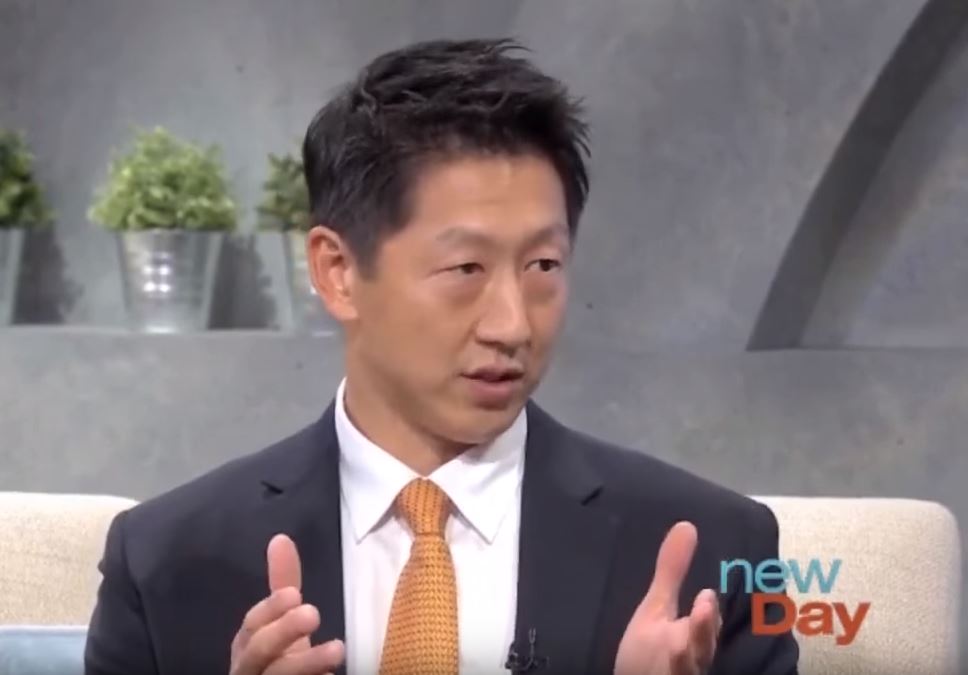
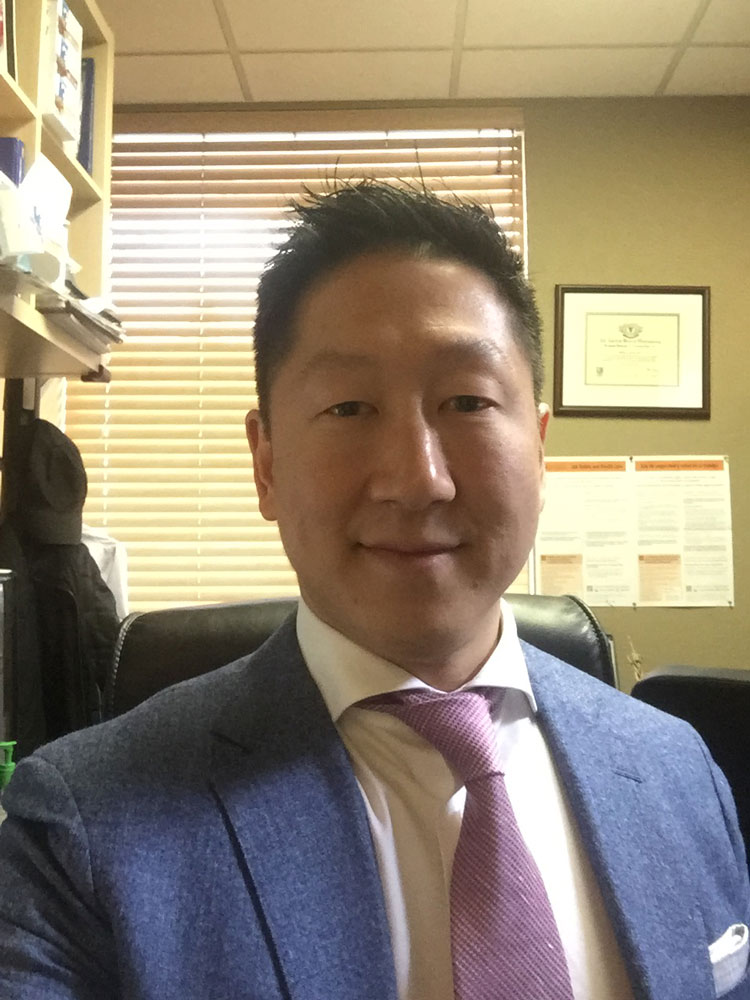
I've been a facial plastic surgeon for nearly 12 years. As I age, I'm realizing more and more how it feels to grow and look older. Although this was good for what I do and beneficial for realizing in more detail what my patients are going through, I really didn't like aging. I first noticed my aging when I was on the New Day Northwest Show with Margaret Larson in June of 2013. Here is a snapshot of what I looked like. I just hated the shadows and hollowing under my eyes.

image of Dr. young


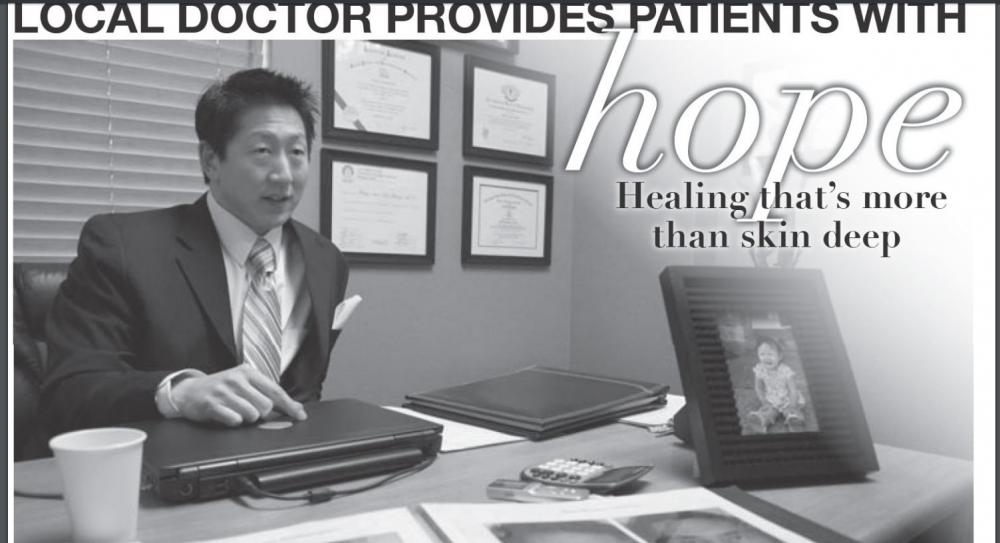
image of Dr. young featured in UW Daily

Here is an even older picture in 2009 when I was featured in the UW daily. Look at my lower eye bags from another point in my life. I showed this to a patient early March 2016 and they said this person looked like my father. Ouch! So based on this picture, I've had this hollowness under my eyes for quite some time.


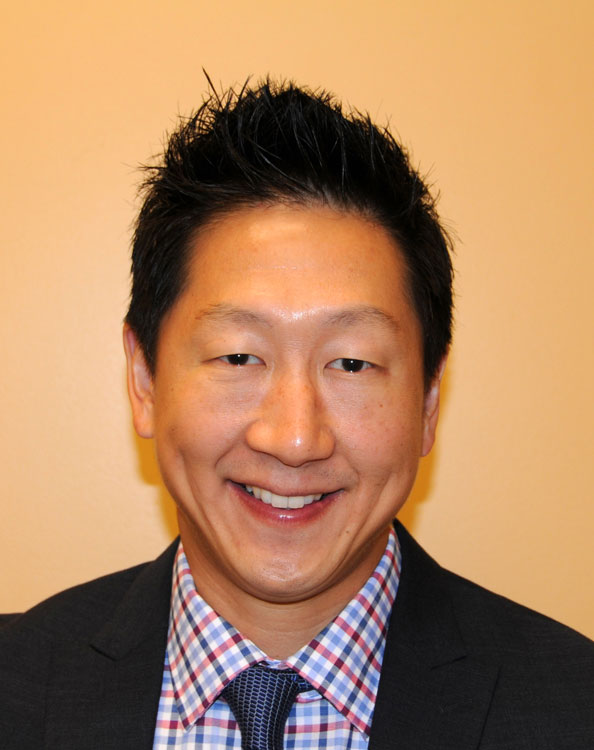
As I was witnessing great results with Under Eye Filler, I began to really want to do something for myself as well. I was sick of seeing my eyes like this and really wanted to improve my appearance. I felt a lot younger than how I was looking. So after putting Topical Anesthesia on my face for about 1/2 hour, I placed one syringe of Filler in the hollow area under my eyes to fill in the dark circles and to blend the eyelid transition into my cheeks in a better way. See my picture after Filler to the Under Eye Hollows.

Dr. Philip Young


Dr. Philip Young

Here is an even older picture in 2009 when I was featured in the UW daily. Look at my lower eye bags from another point in my life. I showed this to a patient early March 2016 and they said this person looked like my father. Ouch! So based on this picture, I've had this hollowness under my eyes for quite some time.

Logo media

Acne Scarring Post Traumatic Stress - Newsletter

A Story About Acne Scarring, Post Traumatic Stress Disorders and Its Relation to the Developing Brain

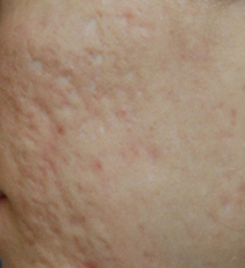
We hear stories all the time about our patient's challenges with Acne Scarring who come to us for Acne Scar Treatment. The following is based on a true story. Here is a picture of a person with bad acne scarring in the left cheek as an example. We had a 30 something Caucasian female, mother of two from California who came in for acne scar treatment.

scar

Here is her story:

P.B. was just like any other child growing up in Central California. It seemed like an instant that her life started to change once she starting getting acne. She went on to tell me how her classmates made fun of her and made her life unbearable during junior high. Words like "Pizza Face", "Crater Face", emotional and even physical abuse were used and involved during her time in Junior High. It became so bad that she dropped out of school to become home schooled by her parents. She was a beautiful girl. She showed me pictures of her active acne during her junior high and high school years and I was shocked. It was the worst case of active acne I have ever seen. Although P.B.'s active acne was particularly severe, she was lucky that her acne didn't turn into the most severe scars.

"I have no confidence. My face is so scarred. I can't live like this for the rest of my life. I had dreams and they're beginning to fade. I want to be all that I can be and I want to make some positive changes in my life." - P.B. said. 

What struck me as unusual was that she was actually very beautiful and her scars were definitely not the worse I've seen. But her scars affected her so much that she was clinically and severely depressed. So I thought that she was a classic case of what happens when traumatic things happen to younger people.


Trauma and the Developing Brain:

What has been found is that repeated trauma, especially in younger children, leads to chronic activation of the hypothalamic-pituitary-adrenal (HPA) system in response to the stress. This can have major negative consequences in your neurophysiology especially in the developing brain. Chronic activation may over stress other parts of the body including the hippocampus, a major player in the brain involved in memory, cognition, and arousal. Another set of neural systems that become sensitized by repetitive stressful and traumatic experiences (i.e. being made fun of in junior and high school years) are the catecholamine systems that involve dopamine and norepinephrine, the flight or fight system as you might have heard of.

This system can become altered following traumatic stress. There can be changes in attention, impulse control, sleep, fine motor control and other functions mediated by this system. A variety of other emotional, cognitive and motor functions can become dysregulated and altered. Simply put, your thinking, emotions, and even your muscle movement can be dysfunctional! The even more impactful thing is that it can continue unchecked into adulthood. Which brings us back to our patient P.B. from California. In the developing brain, repeated trauma in early life can markedly affect brain development. As children age during childhood and adolescence, millions and trillions of synapses in the brain are created and altered to mold the brain into the mature adult.

Our higher brains are almost completely underdeveloped at birth. In contrast, our midbrain that controls feeding, breathing, and our basic functions is almost completely developed. Early trauma tends to lead to less inhibitory pathways in the higher parts of the brain that can control lower parts that govern fear, anger, happiness, calm and basically our emotions. What happens is that these people who suffer traumatic events early on will have: 1. A persistent fear response; 2. Hyperarousal; 3. Inability to have feelings of calm, well-being, and emotional stability; 4. Inability to adapt to normal social situations, etc. So in the case of P.B., mild and moderate scars can be perceived as the most severe scars that you have ever seen. Her response to the world's interactions with her can be markedly different. For P.B., her scars can be affecting her life more than normal, more than someone who had a more nurturing environment or other nurture versus nature reason.

Click Here to Read More About Trauma and the Developing Brain

It's unfortunate that people judge each other based on external appearances. But it is something that we can't avoid; it is in our DNA and our deepest nature. Click here to read more about Dr. Young's Theory on Beauty (and how Beauty is not vanity but is based on our strong desire for order in our lives). During her time with Acne scarring, she tried many treatments with minor improvements. That's when she eventually came to find us. After a psychiatric assessment and clearance, we were able to help her with her scar treatment through our Unique 5-7 step process. Her scars are much better now. We hope that she will be able to regain some confidence and feel better about herself.

Thanks for reading,
Dr. Philip Young M.D

Click Here to See a New Video On Our Acne Scar Treatment

Dr. Philip Young Social Media Platforms:

Logo media

The Law of Giving in Action  Serendipitous Discovery Hosting a Vietnam Doctor - Newsletter

"Practicing the Law of Giving is actually very simple: if you want joy, give joy to others; if you want love, learn to give love; if you want attention and appreciation, learn to give attention and appreciation; if you want material affluence, help others to become materially affluent. In fact, the easiest way to get what you want is to help others get what they want. This principle works equally well for individuals, corporations, societies, and nations. If you want to be blessed with all the good things in life, learn to silently bless everyone with all the good things in life."

So since I've started my private practice I've been doing medical surgical mission trips to Vietnam (3 times) and China (1 time). The last time we went to Vietnam in 2014, we met a doctor by the name of Giap Nguyen Tran. He brought us a book of his father's work in ceramics. His work was beautiful. A few months later I was contacted by Dr. Albert Fox from Massachusetts to see if I could host him at our home to allow him to learn Plastic Surgery from me. Because I didn't know him that well, I was naturally hesitant and so was my family. But, thankfully, we decided to take him into our home and it was a magnificent experience. When he arrived, he was very helpful and fun to have around. He was very interested in knowing everything about how we do plastic surgery in the states. He soon started calling me his "Tiger Teacher". Serendipitously, we later found out that he was a finalist in a Master Chef Series in Vietnam.

Click Here to See One of the Shows With Dr. Giap Nguyen Tran

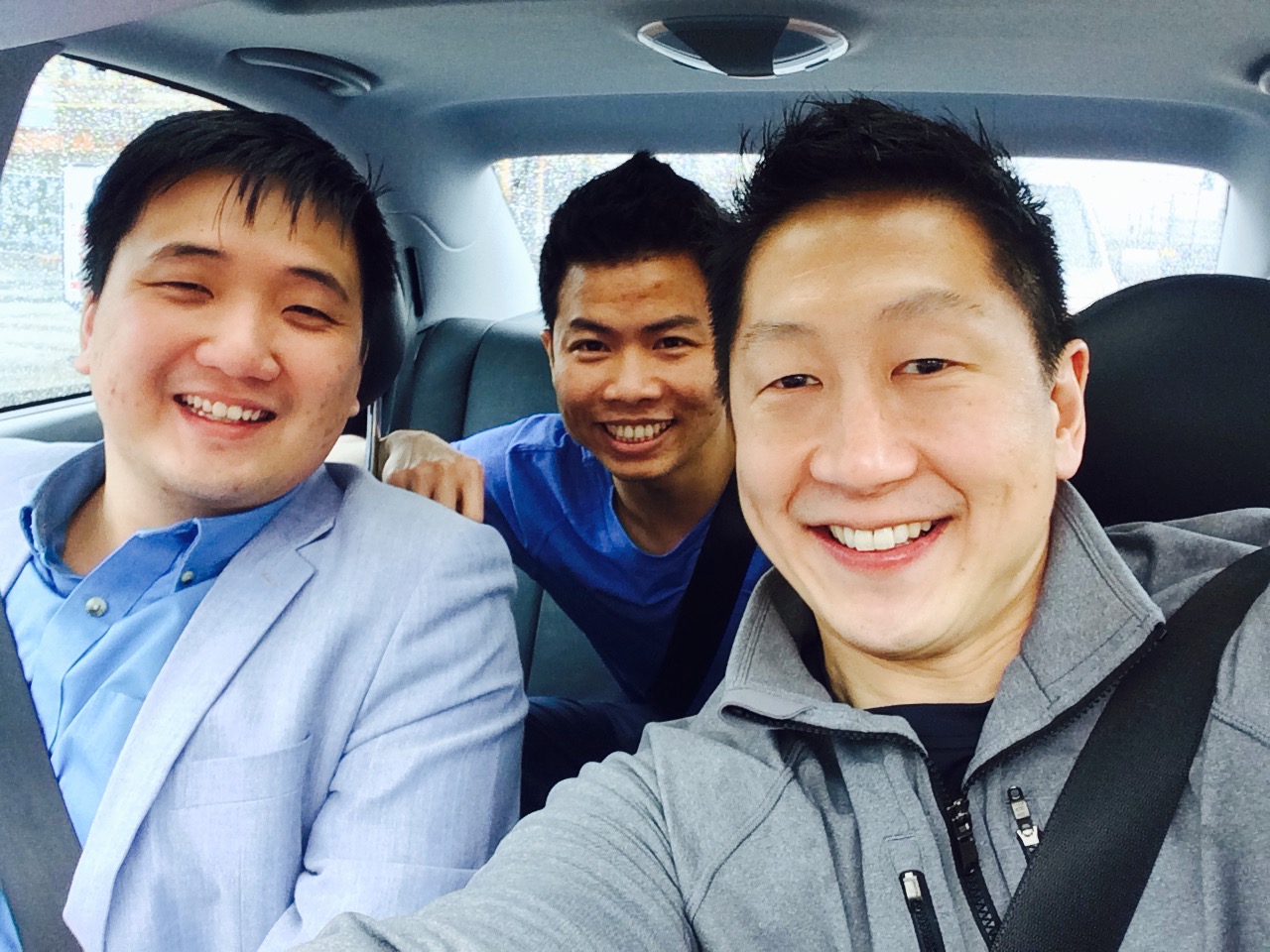
He also told us that he was subsequently given a Major Television Cooking Show in Vietnam. We had no idea we had a celebrity in our home! Here is a picture of us when he visited. When he was with us, we were so fortunate to have him cook us some Master Chef quality Vietnamese dishes. Imagine having a Master Chef cook just for you! My Mother in law, Wife, Kids and Friends had a festive time hearing stories about his life. The last time in March 17, 2015 he cooked us Lemongrass fried with Octopus, Crispy Banh Xeo the Vietnamese Pancake, and Clam Sour Soup. It was super delicious.

Dr. Philip Young and family

When he was with us, we were so fortunate to have him cook us some Master Chef quality Vietnamese dishes. Imagine having a Master Chef cook just for you! My Mother in law, Wife, Kids and Friends had a festive time hearing stories about his life. The last time in March 17, 2015 he cooked us Lemongrass fried with Octopus, Crispy Banh Xeo the Vietnamese Pancake, and Clam Sour Soup. It was super delicious. This story is an example of how the law of giving can bring you more to your life. Had we decided not to host Dr. Giap Nguyen Tran we would have missed out on a significant experience in our lives. This story reminds me to be open-minded and to give as much as I can. My goal is to bring more love to the things I do. Hopefully, more love will come back to me and the people I'm around. Instead of getting "set in my ways", I'm looking to expand and not contract in my thinking. I want to constantly get better in life. I hope this story helps you!

Thanks, Dr. Giap Nguyen Tran for visiting and we look forward to hosting another trip for you next time!

Thanks for reading,
Dr. Philip Young M.D

Logo media

Protect Your Loved Ones Holidays & Heart Attacks - Newsletter

Prepare Yourself and Prevent a Significant Health Issue From Occurring During This Holiday Season! Recently, during the holidays, I noticed that there were a lot of people having major health issues in my circle. I had a colleague whose Uncle had a massive Heart Attack and then died. I had a client whose mother recently had a stroke. In the news, George Michael passed away on Christmas from Heart Failure and Carrie Fisher, Princess Leia from Star Wars, died after having a massive heart attack while on a plane.

This obviously made me think. Is there a peak in major health issues during the Holiday Season? The answer is emphatic, Yes! In one study, University of California-San Diego researchers looked at data on more than 53 million deaths, finding that cardiac deaths rose nearly 5% on Dec 25, Dec. 26, and Jan. 1. Deaths from other diseases and causes also increase at holiday time, but not as much, says lead author David Phillips. He estimates that there are 2,000 extra deaths annually, mostly heart-related, linked with Christmas and New Year's.

Here are a few links to learn more about this phenomenon:

  1. https://time.com/4610633/why-more-people-die-of-heart-disease-around-christmas/
  2. https://wcyb.com/archive/holiday-heart-syndrome-risks-go-up-during-the-holiday-season
  3. https://en.wikipedia.org/wiki/Fight-or-flight_response
  4. https://www.ncbi.nlm.nih.gov/pubmed/18480193

Why does this happen?

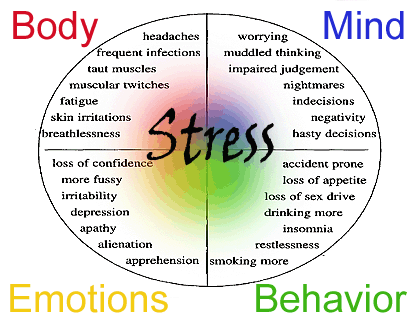
Based on my own research & from a doctor's point of view, this information is not too surprising. During the holidays, it is a time to see old friends and family. These people are usually the people you have known the longest. In these relationships, you have a lot of history, events, and, most importantly, the deepest & strongest emotions. Often the holidays bring emotional levels up including, especially stress.

infographic

What are the physiological consequences of elevated stress?

Stress increases your cortisol levels and along with that, your fight or flight response is initiated and stimulated further. Cortisol is a big player in activating your sympathetic nervous system and the release of norepinephrine. The sympathetic nervous system, along with Norepinephrine, leads to blood vessel constriction, elevated blood pressures, strain on the heart & constriction of heart vessels, which can lead to heart attacks, strokes, organ damage etc. In addition, another fascinating physiological effect brought on by stress, is that the body causes your blood to clot more by increasing clotting factors and promoting the clotting cascade. This is an evolutionary protective mechanism to preserve blood loss from potential injury. Blood clotting is central to forming a clot on a plaque within the heart's own blood supply. This clot can block the blood vessels to the heart leading to what we know as a heart attack.


Heart Attack Prevention:

So why are we sending this to you? Well we wanted you to be aware of this so you can protect yourself & your loved ones. Here are some tips for heart attack prevention and also avoiding major health issues during the Holiday Season. Again, remember always consult with your own physician before doing any of these tips:

  • Consider drinking 1-2 alcoholic drinks a night (this is controversial). Research has found some evidence that this can lead to decrease strokes, heart disease, and even cancer. Here is helpful, informational link: Medical Daily
  • Decrease Your Stress Levels. If you need to, avoid the confrontation or event altogether if you feel it will add to your stress levels.
  • Postpone discussing an event or argument until after the Holidays. Wait for the stress levels & stress body factors to decrease so you can handle it better.
  • Stay hydrated. Hydration keeps your blood thinner and research has shown this could potentially prevent a major heart attack and stroke.
  • Consider taking 1-2 doses of aspirin during the 2 weeks of the busy holiday season. This will counteract the pro clot forming stress state.
  • Exercise can help in moderation. Physical activity can fight stress by helping the brain release feel-good chemicals, endorphins, that counteract the bad ones.
  • Get a lot of sleep and rest. Lack of sufficient sleep makes us more susceptible to stress and more likely to suffer from depression and other serious mental health complaints, i.e. more stress.
  • Consider some meditation techniques. Research suggests that daily meditation may alter the brain’s neural pathways, making you more resilient to stress.
  • Watch comedy and Laugh! Laughter & happiness lowers cortisol, your body’s stress hormone, and boosts brain chemicals called endorphins, which help your mood and helps you fight off infections, cancers, etc.! Here is a link to learn more about Endorphins.

Here are some more links to decrease your stress:

Thanks for reading & I hope this helps you and your loved ones!,
Dr. Philip Young M.D

Logo media

A Story of Hope Myasthenia Gravis and Cancer, in our Eyelift Patient: How a Positive Attitude Can Make the World of Difference

This is a true story of a patient who came to our office for help with a condition called Myasthenia Gravis. The names have been changed for anonymity!

Click Here To See a Video on Plastic Surgery Story of Hope: Myasthenia Gravis & Cancer, Our Patient Who Had an Eyelift.

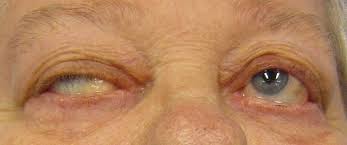
Debbie is a 40's something Caucasian Female who was a happily married mother of 2 who began having problems opening up her eyes. It was frightening and it happened like all of a sudden. Naturally, when things like this happen, you start to think of all sorts of things. Is it life threatening? Is it progressive and that I might end up like Stephen Hawkings and other scary thoughts?

A women's eyes

After seeing many doctors, they finally determined that she had Myasthenia Gravis which is a long term Neuromuscular disease that leads to varying degrees of skeletal muscle weakness. The most common affected muscles are the eyes, face and swallowing muscles. It can result in double vision, drooping eyelids and issues with walking, swallowing and talking. Onset can be sudden. But fortunately, it wasn't life threatening and it could be treated. Although, it is not life threatening. It is definitely an issue for her appearance. Her eyes are really droopy and she can barely open them. It doesn't look normal and people can immediately notice. This is definitely going to be a change for her life. But she remains so positive and the nicest person you'll ever meet. She starts to take steroids and this becomes a long term thing. When I meet her to discuss opening up her eyelids, I immediately have a great feeling about her and I like her instantly. She is that kind of a person. She had surgery about 10 years ago, but it didn't work. For our first surgery, we really go after her droopy eyelids and she loves them. But I'm worried that she can't close her eyes very well and that she may have problems. We have another eye specialist follow her and we are all worried. But she isn't worried at all and she makes it through with no problems. She was confident that this was no big deal all along. With our first Upper Eyelift Surgery, we wanted to be conservative and just elevate her eyelids and recreate her crease. But we didn't take too much skin to be safe. So she comes back later and tells us that she is ready for more skin to be taken. But, then I didn't hear from her for several months. When she comes back she tells me that during that time she found out she had an advanced stage of ovarian cancer. It kind of hit me a little hard.

After all, my mother died of ovarian cancer. Despite this news, however, she is so upbeat. She says she has the cancer beat and it's gone. You can just feel her positive energy and confidence. The reason I'm writing this story is that most of the time you are very likely to be able to think of someone that has it way worse than you. Despite having this autoimmune disease and then finding out you have cancer, this wonderful person remains so positive - it's amazing. It was so significant that I had to write this story about her. I read something really interesting the other day about how depression could be a form of selfishness (Happiness by Mathieu Ricard, Emotional Intelligence by Daniel Goleman, The Seven Spiritual Laws of Success: A Practical Guide to the Fulfillment of Your Dreams by Deepak Chopra ). Meaning that, "it is all about my feelings, my sadness". Whenever I get down, I think to myself, "there are so many people out there with way more problems that I should be ashamed to think that I'm doing so bad".

Out in the world, you have people who are quadraplegic, people who have the worst cancer, people being tortured, etc. It's a different way of thinking. But I think it could help a lot of people, like it did for me. So this story is to encourage you to have positive thoughts. Research has shown that positive thoughts and attitudes prompt changes in your body that strengthen your immune system, boost positive emotions, decrease pain and chronic disease, and provide stress relief. One study found that happiness, optimism, life satisfaction, and other positive psychological attributes are associated with a lower risk of heart disease. Another study, which looked at 607 patients in a hospital in Denmark, found that patients whose moods were overall more positive were 58 percent more likely to live at least another five years. It has even been scientifically shown that happiness can alter your genes! A team of researchers at UCLA showed that people with a deep sense of happiness and well-being had lower levels of inflammatory gene expression and stronger antiviral and antibody responses.

Here are a few links to learn more about positive attitudes and how it impacts your health:

  1. Huffington Post
  2. AHA/ASA Journals
  3. This study showed the following,:
    • Better coping skills during hardships and times of stress
    • Increased life span
    • Better psychological and physical well-being
    • Lower rates of depression
    • Lower levels of distress
    • Greater resistance to the common cold
    • Reduced risk of death from cardiovascular disease
  4. Positivity and Cancer

Thanks for reading,
Dr. Philip Young M.D

Logo media

Touching Story to Remind You to be Impeccable with Your Words By Seattle Bellevue's Self Harm Scar Treatment Revision Specialist Dr. Philip Young M.D.

The following Newsletters are just a portion of the ones that you will be getting as one of our patient client members. Below are mostly the more important stories and interesting articles that we have written that we believe represent what is special about our newsletters. We hope you enjoy the stories and presentations that represent a unique part of our Human Experience!

This is Based On a True Story  Story About Acne Scars and How the Adage "Sticks and Stones Can Break My Bones, but Words Can Never Hurt Me" May Not Be True

I would like to share a story about an individual who came into our office a few days ago for a consultation regarding her acne scars. This true story, which the patient has agreed to share, has been made anonymous. This patient decided to visit our office because of an incident that happened at her workplace. She works at the front desk of a fitness club. She is a middle aged hispanic woman from Mexico. She has two children under the age of 10. She is also the sole provider of her family because her husband is not yet a legal citizen. She has to work 10 hours a day from 9-7, everyday. She has no choice. They choose to stay here because some of her main family are here.

She went on to tell me that one day a customer who needed to pay a bill was being confrontational. One thing led to another and an argument arose. While this incident was happening, her family was present in the lobby. They were waiting for her to finish her shift. As the situation escalated and the customer became more upset, there was a moment when the customer stated "You shouldn't talk... you have holes in your face...why don't you get a life...how could you go around living with your face like that...you should kill yourself". She cried the entire night. This patient was in tears while she recalled the story.

This occurrence has scarred her in so many ways that she hasn't been able to think of anything else since that day. She said that she "used to wear makeup and was a confident person". Now she feels like she has no confidence and that everyone stares at her acne scars all the time. She pointed out that "...the incident was only regarding a $60 dollar bill, but that little bill has made the biggest impact in my life". She hasn't felt the same since. She said that after this situation her youngest child has asked many times, "Why did they say that... and... Mommy can I do something so I don't look like you... I don't want to look like you Mommy." The reason why I'm bringing this story up is that someone very close to me said that you have to be impeccable with your words (Read more by following the link). Obviously this person, her customer, had nowhere near impeccable words. But we need to remind ourselves that sometimes words can hurt you just as much as the sticks and stones. I'm not even close to being impeccable with my words, but this story is going to remind me that there is always room for improvement on how we treat those around us.

Thanks for reading,
Sincerely Dr. Philip Young M.D
Love and Peace to you All!

Stay Connected

To receive future newsletters and updates, we invite you to connect with our team. These stories are an extension of our philosophy: thoughtful, personal, and rooted in helping you see yourself in a new light.

Banner media
Accessibility: If you are vision-impaired or have some other impairment covered by the Americans with Disabilities Act or a similar law, and you wish to discuss potential accommodations related to using this website, please contact our Accessibility Manager at (425) 696-7689.
Contact Us